
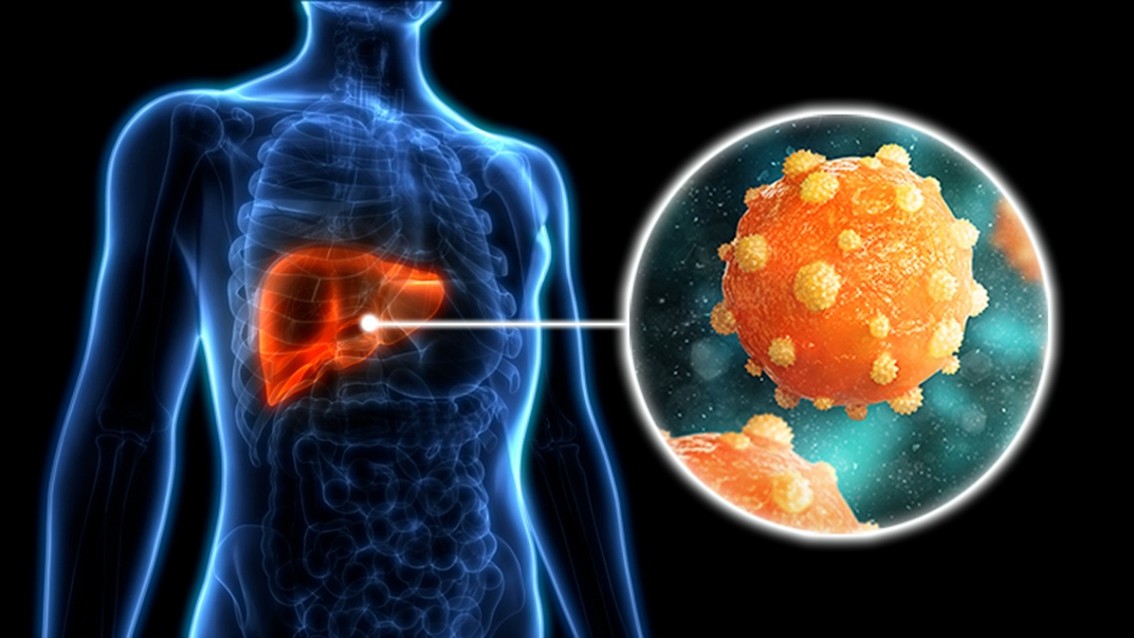
- Hepatitis B is a liver disease caused by the hepatitis B virus (HBV).
- HBV infection can be short (acute) or long-term (chronic).
- About 1 in 2 people with hepatitis B do not know they are infected.
- HBV is contagious and spreads through contact with infected blood and body fluids
- Vaccination is the best way to prevent infection.
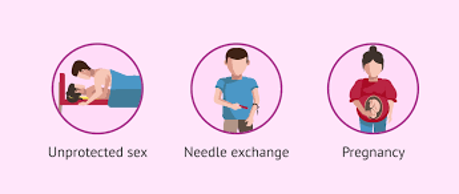
Hepatitis B is primarily spread when blood, semen, or certain other body fluids from a person infected with the virus enter the body of someone who is not infected. Perinatal hepatitis B refers to the transmission of the hepatitis B virus (HBV) from an infected pregnant person to their baby during pregnancy or delivery. Without intervention, up to 90% of infants infected at birth develop chronic, lifelong HBV infection, which carries a 25% lifetime risk of dying from cirrhosis or liver cancer. However, this transmission is almost entirely preventable through universal screening and timely post-exposure prophylaxis.
Important note: the Hepatitis B virus can live outside the body for up to 7 days, meaning it can still cause infection if it enters an unvaccinated body.
While anyone can get hepatitis B, some people are at higher risk.
This includes:
- Infants born to people with hepatitis B.
- People born in certain countries where hepatitis B is common.
- People born in the US who were not vaccinated as infants and whose parents were born in countries with high rates of hepatitis B.
- People with immunodeficiency diseases
- People who inject drugs (PWID) or share needles, syringes, or other types of drug equipment.
- Sex partners of people who have hepatitis B.
- People who live with someone who has hepatitis B.
- Health care and public safety workers who are exposed to blood on the job.
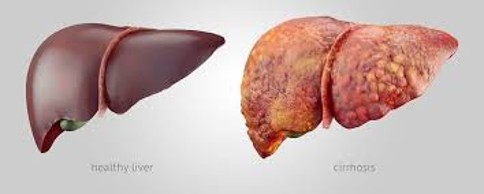
Hepatitis B matters because it is a highly contagious virus—100 times more transmissible than HIV—that causes chronic liver infection, cirrhosis, and is the leading cause of liver cancer worldwide. It is a "silent killer" often showing no symptoms until serious liver damage occurs. It is a leading cause of liver cancer. Hepatitis B contributes to an estimated 820, 000 deaths every year.
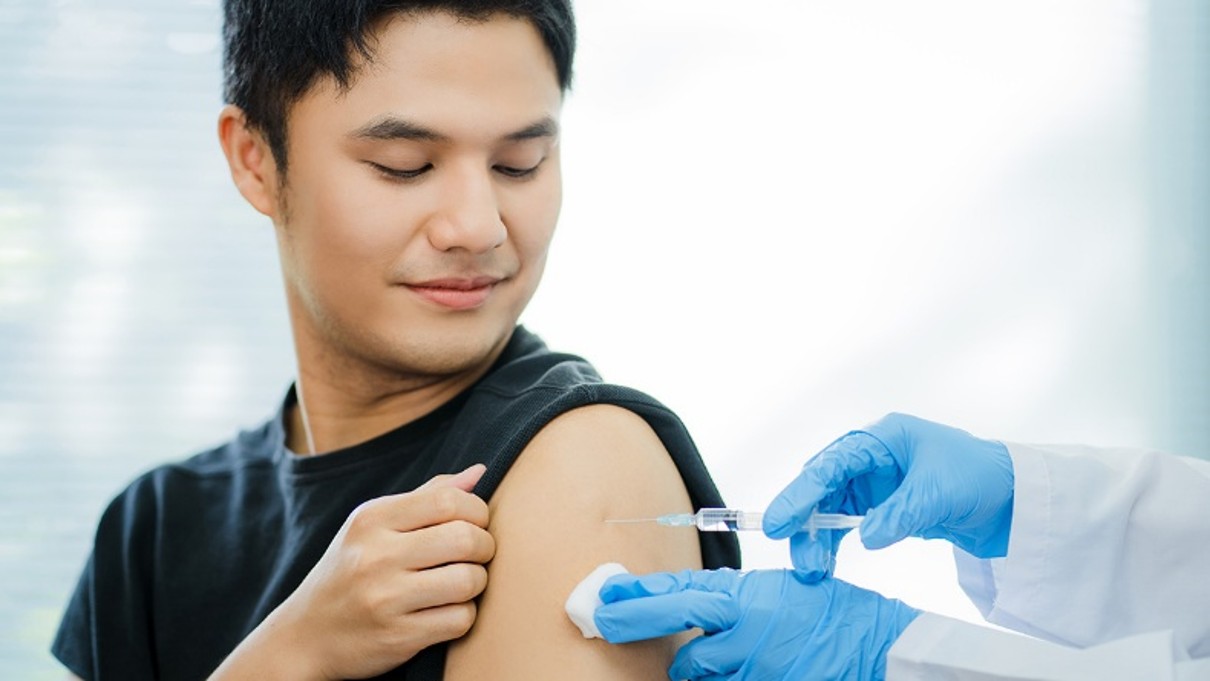
The most effective way to prevent Hepatitis B (HBV) is by getting vaccinated, which is safe, highly effective, and recommended for all infants and adults under 60. Key Prevention Strategies include:
- Vaccination (Most Effective): The Hepatitis B vaccine is recommended for all infants at birth, children, and adults up to age 59, especially those at higher risk. It is typically given in 2, 3, or 4 doses.
- Preventing Mother-to-Child Transmission: Pregnant women should be screened for HBV. Babies born to infected mothers should receive the vaccine and Hepatitis B Immune Globulin (HBIG) within 24 hours of birth to prevent transmission.
- Safe Sexual Practices: Use condoms to reduce the risk of transmission through semen or vaginal fluids.
- Avoid Blood/Body Fluid Exposure: Avoid sharing personal items like toothbrushes, razors, or nail clippers, ensure proper sterilization for tattoos, acupuncture, and body piercings and use only clean, sterile needles for medications or drugs.
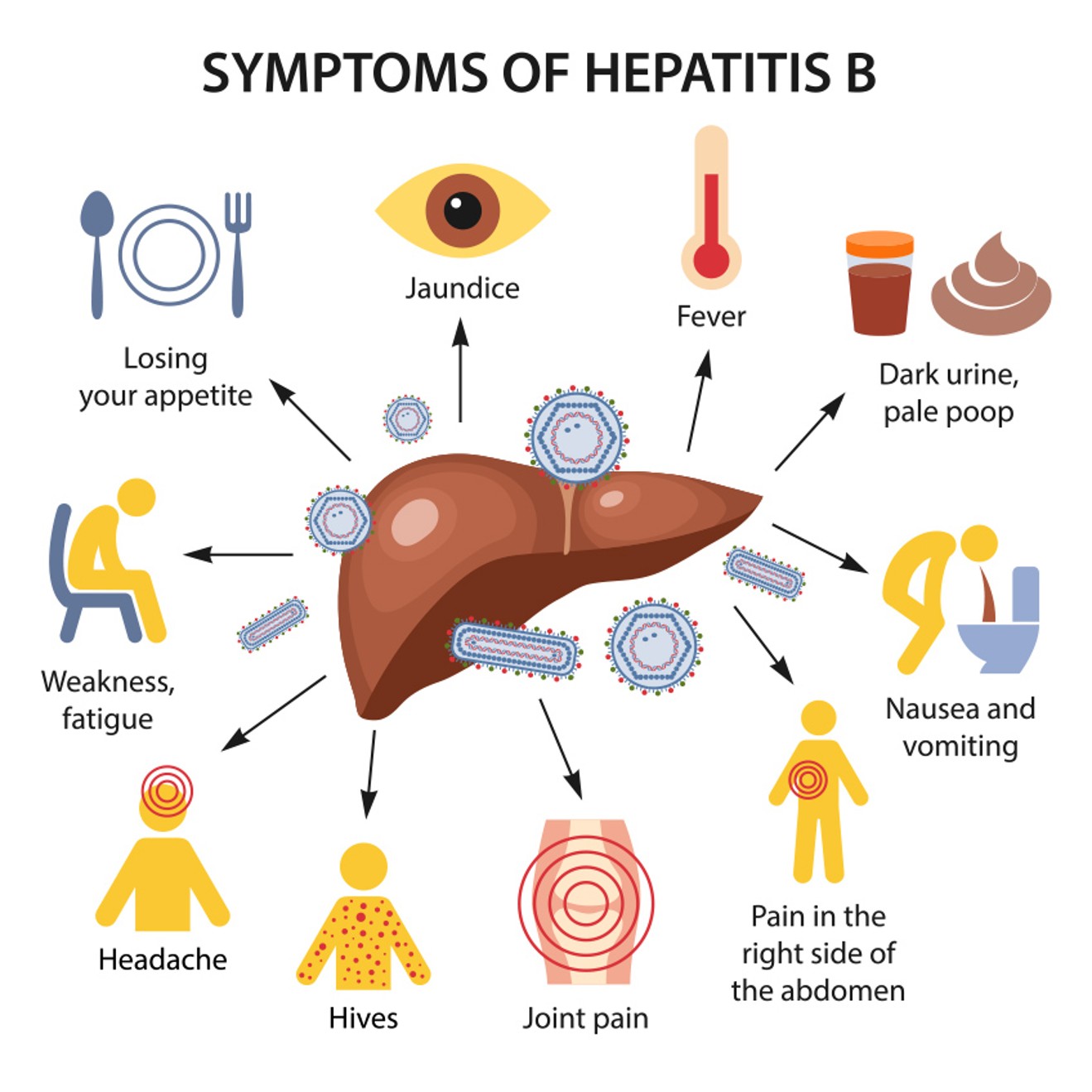
Hepatitis B signs and symptoms may include:
- Abdominal pain
- Dark urine
- Fever
- Joint pain
- Loss of appetite
- Nausea and vomiting
- Weakness and fatigue
- Yellowing of the skin and the whites of the eyes, also called jaundice
Important Note: Not everyone has symptoms. If you do, they can range from mild to severe. You may have symptoms (or not) during the acute phase of infection, and you may also have them (or not) with chronic infection. You’re still contagious with or without symptoms.
Blood tests confirm infection; antiviral treatment can control chronic HBV; regular medical follow-up is important.
All children and adolescents not previously vaccinated and all adults ages 19–59 as well as adults over 60 with risk factors. Household contacts of people with hepatitis B, sexual partners of people with hepatitis B, and healthcare workers and others at risk for blood exposure should also be vaccinated.
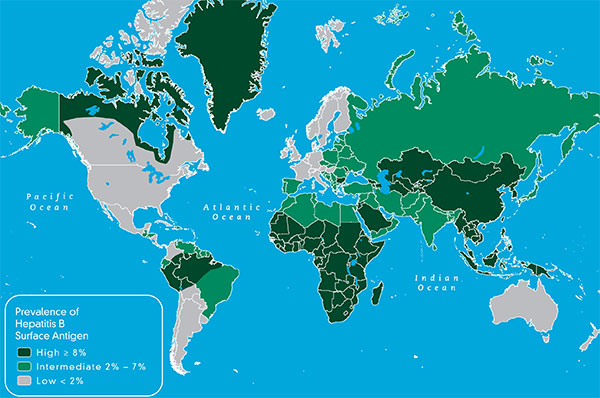
In the United States, chronic hepatitis B (HBV) most heavily impacts foreign-born individuals—particularly those from Asia, Africa, and the Pacific Islands—who constitute roughly 70% of chronic cases. Asian Americans, who make up 6% of the population, account for over 50% of the 860,000–2.4 million people living with chronic HBV, with 1 in 12 Asian Americans affected.

- Ask for a hepatitis B screening test
- Get vaccinated if not already protected
- If pregnant, make sure hepatitis B screening is completed during pregnancy
- If living with hepatitis B, seek regular liver care
- Encourage family and household members to get tested and vaccinated
Affordable, quality health care services
All are welcome at ICHS, regardless of insurance or ability to pay. ICHS provides a range of primary care to fit your needs, as well as the needs of your whole family.
